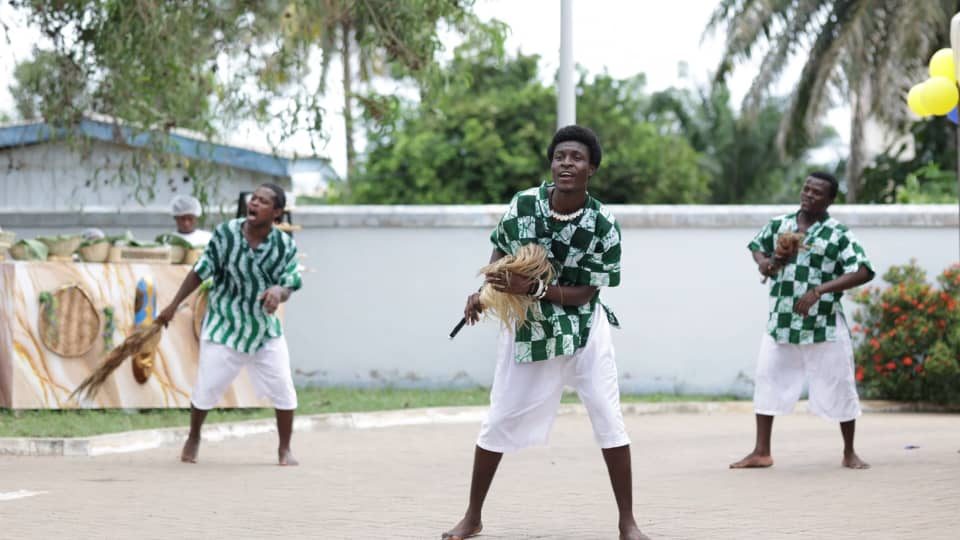
Traditional Dance
“Movement as spiritual expression”
Ewe traditional dances are a living archive. Each dance form encodes history, social values, and spiritual communication through precise physical vocabulary developed over centuries.
Exploring Traditional Dance
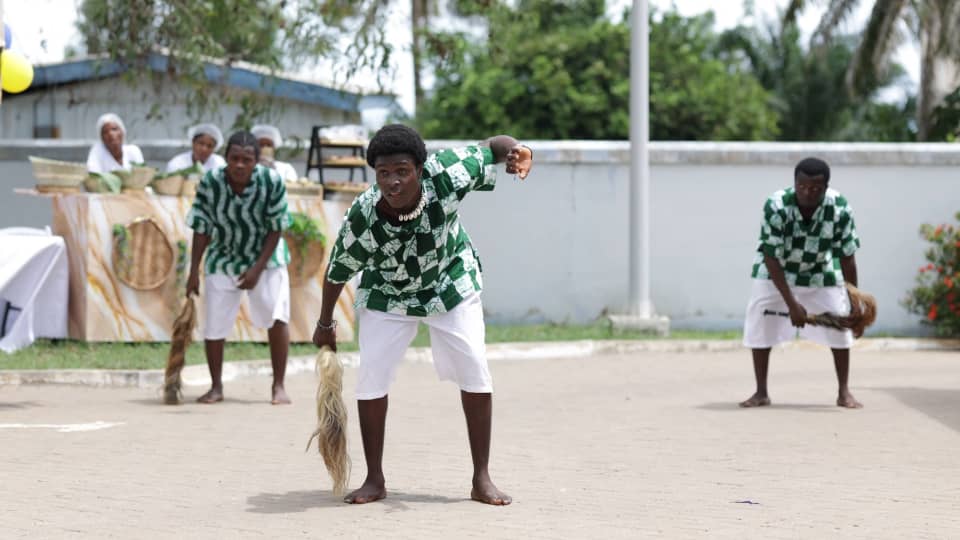
Agbadza
Description
The ancient war dance of the Anlo-Ewe, originating from Atrikpui. Performed at funerals, festivals, and assemblies.
Cultural Significance
Simulates birds taking flight; celebrates survival and community solidarity. One of the oldest known Ewe dance forms.
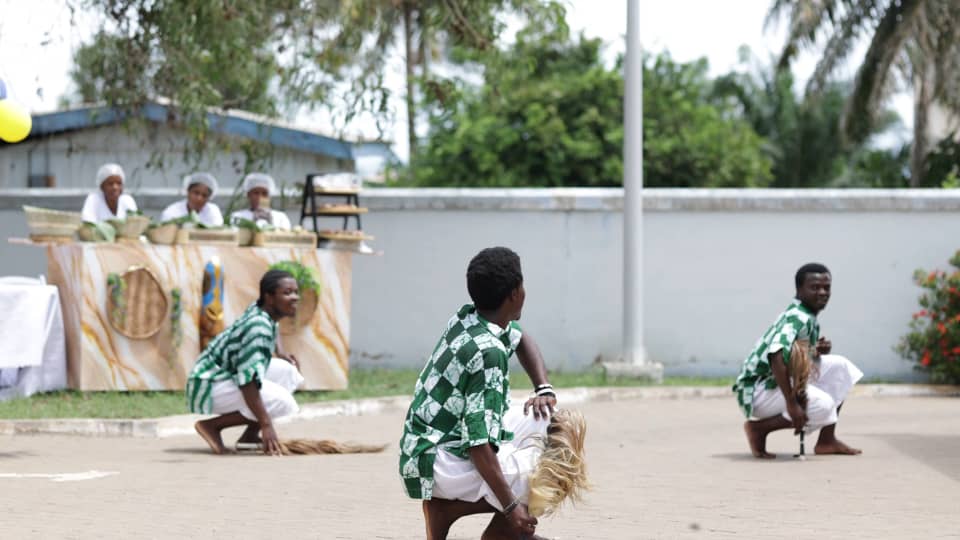
Borborbor
Description
The defining recreational dance of the Ewe, featuring energetic hip and torso movements performed in a circle.
Cultural Significance
Promotes social cohesion and celebration. The circular formation represents community unity and equality.
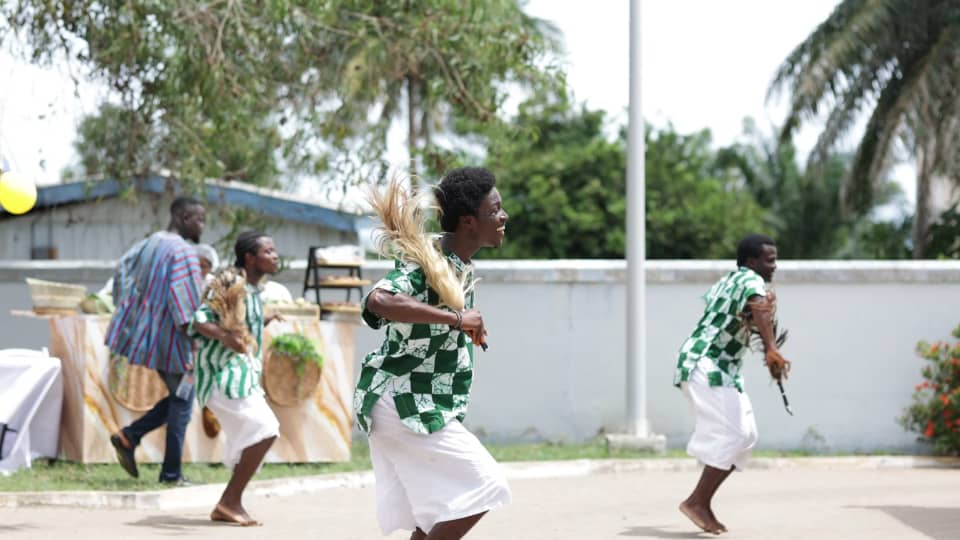
Husago
Description
A solemn ritual dance originating from the migration epoch of the Ewe from Notsie.
Cultural Significance
Performed at memorial rites and ancestral ceremonies. Its slow steps evoke deep reflection and respect for ancestors.
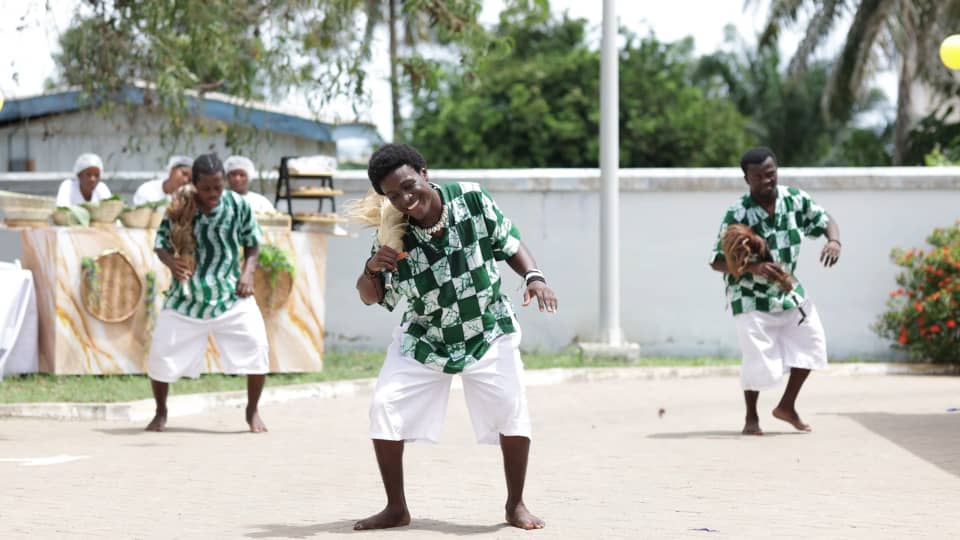
Kinka
Description
A vibrant youth-centric social dance featuring playful, theatrical, and acrobatic movements.
Cultural Significance
Represents the adaptive creativity of Ewe youth culture. Features humorous call-and-response singing.
Experience Traditional Dance Live
The Volta Heritage Dance Ensemble brings these living traditions to life on stage. Book a performance or attend one of our upcoming events.